Magnetic Muscle Stimulation + Radiofrequency
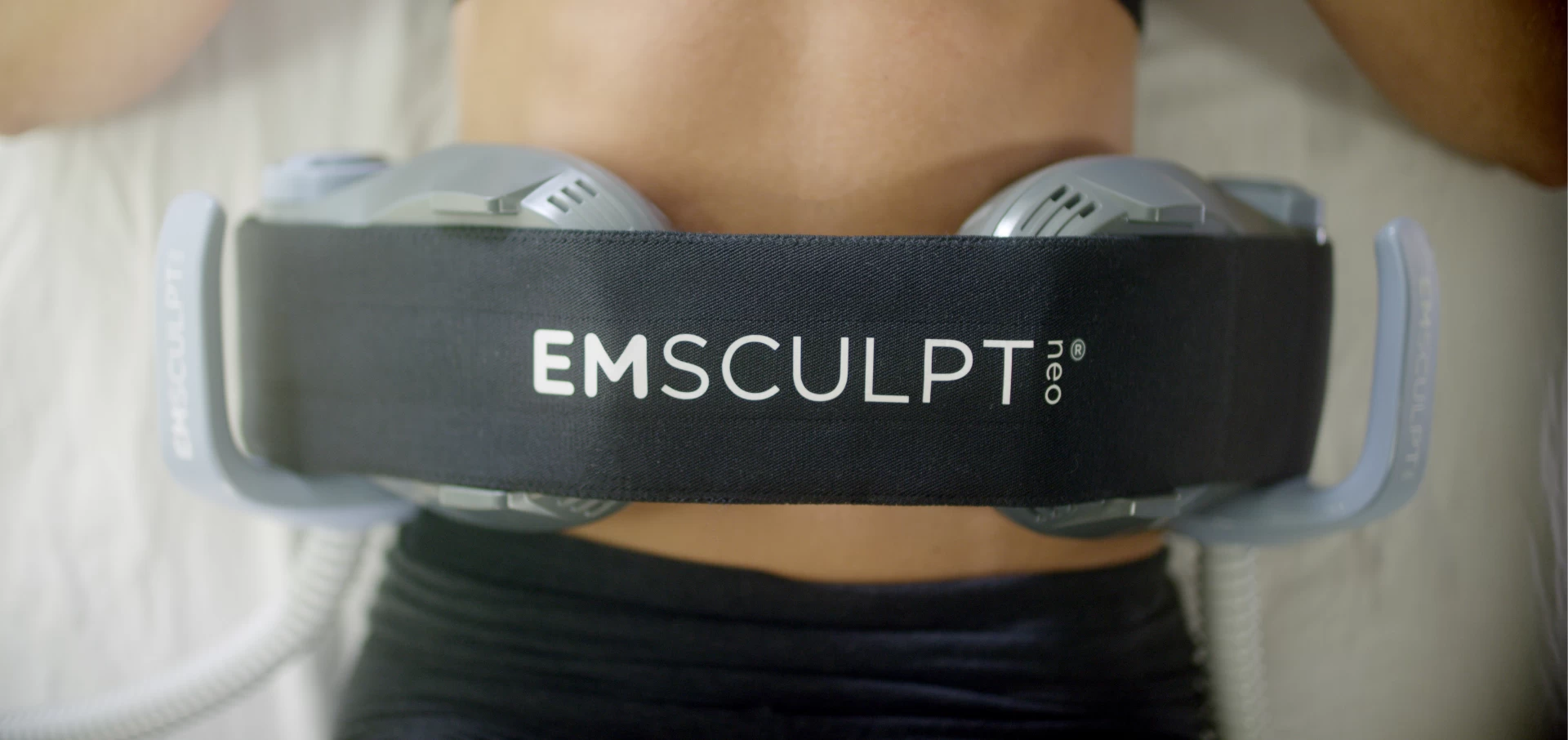
Magnetic muscle stimulation with radiofrequency is a non-surgical body contouring treatment that combines high-intensity focused electromagnetic muscle stimulation with radiofrequency heating in the same session.
The aim of the treatment is to strengthen and define the muscles in the treated area while supporting a reduction in the fat tissue beneath the skin. It is not a weight-loss method; it is considered for people close to their ideal weight who want contouring in specific areas.
What Is Magnetic Muscle Stimulation with Radiofrequency?
The treatment uses two forms of energy together. Electromagnetic energy makes the muscles contract at an intensity and frequency that cannot be achieved through voluntary exercise. Radiofrequency energy warms the muscle to prepare it for the treatment and heats the fat tissue beneath the skin, aiming to reduce fat cells.
In the United States, the device has been cleared by the FDA for muscle strengthening in the abdomen, buttocks, arms, calves and thighs, and for fat reduction in the abdomen. The treatment is performed on women and men who are found suitable after a medical assessment.
Which Areas Can Be Treated with Magnetic Muscle Stimulation?
The treatment is most often applied to the following areas:
- Abdomen: defining the abdominal muscles and supporting localised fat reduction
- Buttocks: strengthening and shaping the gluteal muscles
- Arms: strengthening the front and back arm muscles
- Legs: strengthening the thigh and calf muscles
The doctor decides during the examination which areas are suitable and how many areas can be treated together.
Who Is Magnetic Muscle Stimulation Suitable For?
Magnetic muscle stimulation is considered for people aged 18 and over who are close to their ideal weight and, despite a balanced diet and exercise, want to improve muscle tone or reduce localised fat in specific areas. People with laxity of the abdominal muscles after pregnancy may also be candidates following a medical assessment.
In cases of significant excess weight, advanced skin laxity or marked separation of the abdominal muscles (diastasis), magnetic muscle stimulation alone may not be sufficient; in such cases the doctor considers other methods.
Who Should Not Have Magnetic Muscle Stimulation?
The treatment is not performed in the following situations:
- A pacemaker, defibrillator or other electronic implant
- A metal implant in the treatment area (including a copper IUD for abdominal treatment)
- Pregnancy and breastfeeding
- Active cancer treatment or a tumour in the treatment area
- Recent surgery, an open wound or an active infection in the treatment area
- Febrile illness and bleeding disorders
People with a chronic illness should discuss their condition with the doctor before treatment; suitability is decided by the doctor.
How Is Magnetic Muscle Stimulation Performed?
Before the procedure, the doctor carries out an examination, asks about the patient's medical history and any contraindications, and determines the areas to be treated and the session plan.
- The person lies in a comfortable position; the applicator is secured to the treatment area with a belt.
- When the device is running, strong muscle contractions and warmth are felt in the area; the intensity is adjusted to the person's tolerance.
- No anaesthesia is needed; the person can return to daily life at the end of the session.
A session usually lasts about 30 minutes. A course of 4 sessions is usually planned; if necessary, the doctor may recommend additional sessions. The number of sessions and the intervals between them are determined by the doctor according to the person and the area.
After Magnetic Muscle Stimulation
After the procedure, there may be muscle soreness or a feeling of fatigue in the treated area, similar to after an intense workout; this usually resolves within a few days. Temporary redness and a feeling of warmth may also occur.
Results appear gradually and are usually assessed from a few weeks up to three months after the last session. A balanced diet and regular physical activity help to maintain the results.
Advantages and Limitations of Magnetic Muscle Stimulation
- It is a non-surgical treatment; no incision, anaesthesia or recovery period is needed.
- Muscle strengthening and localised fat reduction are targeted in the same session.
- Sessions are short and daily life can be resumed immediately.
- It can be applied to different areas.
However, magnetic muscle stimulation is not a weight-loss method, does not replace surgical procedures such as liposuction or abdominoplasty, and does not correct skin laxity. Results vary from person to person.
Risks and Side Effects of Magnetic Muscle Stimulation
Magnetic muscle stimulation is generally well tolerated. The most common side effects are muscle soreness, a feeling of fatigue, temporary redness and a feeling of warmth in the treated area.
Less commonly, skin tenderness, temporary swelling or muscle cramps may occur. If excessive heat or discomfort is felt during the treatment, the practitioner should be informed immediately. To reduce the risks, the treatment should be performed under medical supervision and in accordance with the device's conditions of use.
How Long Do the Effects of Magnetic Muscle Stimulation Last?
How long the effect lasts depends on age, lifestyle, diet and physical activity. Results are generally reported to be maintained for about one year.
Weight gain and an inactive lifestyle may reduce the effect. The doctor may recommend repeat sessions at regular intervals to maintain the result.
Frequently Asked Questions About Magnetic Muscle Stimulation
How many sessions are needed?
A course of 4 sessions is usually planned; additional sessions may be recommended if necessary. The number of sessions and the intervals between them are determined by the doctor according to the treatment area and the person's condition.
Is magnetic muscle stimulation painful?
Strong muscle contractions and warmth are felt during the treatment; most people tolerate this well. The intensity is adjusted to the person's tolerance. There may be muscle soreness for a few days after the procedure.
Does magnetic muscle stimulation help with weight loss?
No. Magnetic muscle stimulation is not a weight-loss method. It targets muscle strengthening and localised fat reduction in specific areas and is considered for people close to their ideal weight.
When are the results visible?
Results appear gradually and are usually assessed from a few weeks up to three months after the last session.
When can I return to daily life after magnetic muscle stimulation?
Because no anaesthesia or recovery period is needed, daily life can be resumed immediately after the session.
Key Information
- It is a non-surgical treatment; no anaesthesia is needed.
- A session usually lasts about 30 minutes; a course of 4 sessions is usually planned.
- Results appear gradually; they are usually assessed from a few weeks up to three months after the last session.
- It is not a weight-loss method; it does not replace surgical procedures such as liposuction or abdominoplasty.
Who Is It Suitable For?
- People close to their ideal weight who want to improve muscle tone in specific areas
- People who want to reduce localised fat despite a balanced diet and exercise
- People aged 18 and over
- People with laxity of the abdominal muscles after pregnancy
Treatment Process
Consultation and planning
The doctor asks about the medical history and any contraindications and determines the areas to be treated and the session plan.
Treatment
The person lies down and the applicator is secured to the area with a belt; strong muscle contractions and warmth are felt. The intensity is adjusted to the person's tolerance.
Session plan
A session usually lasts about 30 minutes; a course of 4 sessions is usually planned, and the doctor may recommend additional sessions if necessary.
After the session
Daily life can be resumed immediately; muscle soreness or fatigue similar to that after an intense workout usually resolves within a few days.
Result
Results appear gradually and are usually assessed from a few weeks up to three months after the last session; a balanced diet and physical activity help to maintain them.