Breast Reduction (Reduction Mammoplasty)
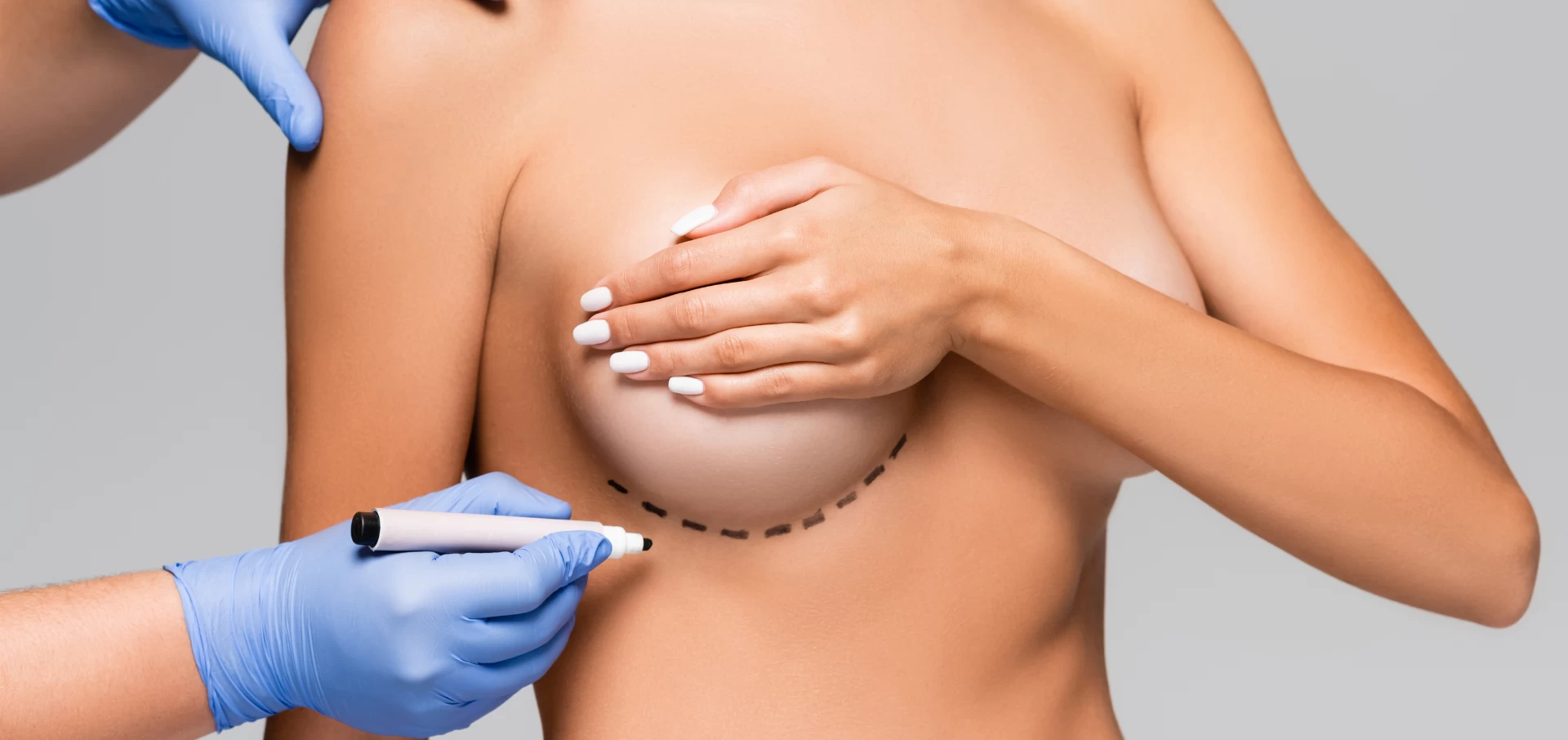
Breast reduction, known medically as reduction mammoplasty, is a surgical procedure in which excess breast tissue, fat and skin are removed from large breasts to reduce and reshape them. It can be performed both to relieve physical complaints caused by large breasts and for aesthetic reasons.
Because the nipple and the pigmented area around it (areola) are moved to a new, higher position during the operation, the breasts are lifted at the same time. The appropriate technique is determined during the consultation; results vary from person to person.
What Is Breast Reduction?
Breast reduction is performed for people who experience physical discomfort or have aesthetic concerns because of large breast size. The aim is to bring breast size into better proportion with the body and to improve breast shape.
The operation is planned according to the person's needs and goals. Excess breast tissue, fat and skin are removed, the breast is reshaped and the nipple position is raised.
Suitable candidates are generally people in good general health who do not smoke or can stop smoking and who can follow the post-operative process.
Like any surgical procedure, breast reduction has risks. Possibilities such as infection, wound-healing problems, changes in sensation and effects on breastfeeding should be discussed in detail with the doctor before surgery.
How Is Breast Reduction Performed?
The first step is an assessment of general health. Information is obtained about the medical history, current illnesses and medicines used, and expectations are discussed. Depending on age and risk, tests such as breast ultrasound or mammography are performed before surgery.
The incision plan is decided after assessing breast size, structure and the desired result. The incisions are usually made around the nipple, vertically from the nipple down to the breast fold and, where necessary, along the breast fold. The incision type is chosen according to breast size and the degree of sagging.
After the incisions, excess breast tissue, fat and skin are removed, and the breast tissue is reshaped to achieve a smaller and more symmetrical appearance. In some cases, liposuction may also be used.
After the excess tissue has been removed, the nipple and areola are moved to their new position; if necessary, the areola is made smaller. When deciding on the new nipple position, the doctor takes symmetry and a natural appearance into account.
The incisions are closed and the breast area is protected with dressings and bandages. Depending on the type used, the stitches either dissolve on their own or are removed at a check-up.
The operation is performed under general anaesthesia and usually takes 2–4 hours. Mild pain and swelling are normal in the first days; the doctor gives detailed information about recovery and what to pay attention to.
Most people can return to work and daily activities within 1–2 weeks; full recovery takes several months. Following the doctor's instructions before and after surgery is important for recovery.
Who Is Breast Reduction Suitable For?
Large breast size can cause back and neck pain, marks from bra straps on the shoulders and posture problems. Breast reduction can help relieve these complaints.
Large breasts can lead to irritation, redness and fungal infections under the breasts due to friction; these complaints increase especially in hot weather and during exercise. Breast reduction can help reduce such skin problems.
People who are aesthetically bothered that their breast size is out of proportion with their body, or who are limited in sports and physical activities because of large breasts, may also consider the operation.
In people with marked breast asymmetry, a more balanced appearance can be achieved by reducing the larger breast. Enlargement of breast tissue in men (gynaecomastia) is treated with a separate operation.
Who Should Not Have Breast Reduction?
The operation is not performed, or is postponed, in the following situations:
- Breast development is not yet complete
- Pregnancy and breastfeeding
- A diagnosis or suspicion of breast cancer whose assessment has not been completed
- Uncontrolled chronic diseases and bleeding disorders
- Inability to stop smoking
What Are the Advantages of Breast Reduction?
Removing excess breast tissue can help relieve the back, neck and shoulder pain caused by large breasts; reducing the physical load can improve comfort in daily life.
Breast size and shape become more proportionate to the body, and the breasts are lifted at the same time. If necessary, breast reduction can be planned together with other procedures as part of a mommy makeover.
Movement during sport and physical activity may become easier, and irritation caused by friction under the breasts may decrease.
Clothing options may widen and body image may be positively affected. Results vary from person to person.
Things to Consider Before and After Breast Reduction
It is important that the operation is performed by an experienced plastic surgeon. You should not hesitate to ask your doctor all your questions about the operation.
Before surgery, your health history, allergies and the medicines you use are assessed. This assessment is important for reducing risks and supporting a healthy recovery.
Smoking should be stopped before surgery and avoided during recovery; alcohol should be limited. Medicines that can increase bleeding are adjusted as advised by the doctor. It is helpful to prepare in advance the things you will need at home during recovery.
It is important to have realistic expectations about the results. It should be known before surgery that there will be permanent scars and that the breasts may not be perfectly symmetrical.
After surgery, you should follow the rest period recommended by the doctor and avoid heavy physical activity. Wound care should be carried out according to the doctor's instructions, and if stitches need to be removed, you should attend the check-up on the date given.
The supportive bra recommended by the doctor should be worn regularly. The painkillers and other medicines recommended should be taken regularly, and check-ups should not be missed.
Eating a balanced diet and drinking enough water support recovery. Recovery can take time; during this period, support from people close to you or professional support can be sought if needed.
What Are the Risks of Breast Reduction?
Like any surgical procedure, breast reduction carries risks. Bleeding and haematoma (collection of blood), infection, delayed wound healing or wound opening, especially where the incisions meet, and anaesthesia risks may occur.
Other possible risks are a noticeable or thickened scar, asymmetry, temporary or permanent changes in sensation of the nipple or breast skin, reduced or lost ability to breastfeed, fat necrosis and, rarely, partial or complete loss of the nipple and areola. Some sagging of the breasts may recur over time.
To reduce the risks, a detailed examination, stopping smoking and following the post-operative instructions are important. If increasing pain, fever, discharge from the wound or a change in the colour of the nipple is noticed, the doctor should be consulted.
Frequently Asked Questions About Breast Reduction
Is there permanent loss of sensation after the operation?
Reduced sensation in the nipple and breast skin is common and usually improves within months; however, in some people it can be permanent.
Does the operation prevent pregnancy or breastfeeding?
The operation does not prevent pregnancy; however, waiting for some time is recommended so that the breasts can heal and take their final shape, and the doctor determines the timing. Breastfeeding may be possible after breast reduction, but milk production may decrease or breastfeeding may not be possible; people who plan to breastfeed in the future should discuss this with the doctor before surgery.
Will there be scars on the breasts after the operation?
Yes, permanent scars remain. The scars look reddish in the first months and usually fade within about a year to become less noticeable. The shape and visibility of the scar depend on the technique used and the skin type.
Is there an age limit for breast reduction?
Breast development must be complete. Aesthetic surgery is usually performed after the age of 18; if there are serious physical complaints at a younger age, the situation is assessed separately by the doctor.
Is a corrective operation possible if I am not satisfied?
If the person is not satisfied with the result or a complication develops, a corrective operation can be considered after healing is complete. This decision is made by the doctor after the examination.
Is non-surgical breast reduction possible?
Breast tissue cannot be permanently reduced with sport or exercise. Losing weight can reduce breast size somewhat depending on the proportion of fat in the breasts; however, surgery is needed for excess skin and breast tissue.
Does the operation prevent sagging?
Because excess skin is removed and the nipple is moved upwards, the breasts are lifted during the operation. However, some sagging may recur over time with ageing, pregnancy and weight changes.
Does the operation cause breast cancer?
No, breast reduction is not known to cause breast cancer. Breast imaging is carried out before surgery according to age and risk, and routine breast screening should continue after surgery.
Will I need ice after the operation?
Painkillers can be used and cold can be applied as advised by the doctor to reduce pain and swelling.
Are there any risks?
Yes. Bleeding, haematoma, infection, wound-healing problems, a noticeable scar, asymmetry, changes in sensation and effects on breastfeeding are among the possible risks.
Is there a chance of an asymmetrical appearance after the operation?
Yes, some asymmetry may occur. Breasts are naturally not perfectly symmetrical; the doctor aims for symmetry during the operation, but small differences may remain.
Is the operation performed under anaesthesia?
Yes. The operation is performed under general anaesthesia and usually takes 2–4 hours.
Who is suitable for the operation?
It is considered for people in suitable general health who have back and neck pain, skin irritation or limited activity because of large breasts, or who are aesthetically bothered by their breast size. The doctor decides on suitability after the examination.
Will my stitches need to be removed after the operation?
This depends on the type of stitches used. If dissolvable stitches were used, they do not need to be removed; if some stitches need to be removed, this is usually done about two weeks later and the doctor gives the date.
When will I be discharged after the operation?
Patients usually stay one night in hospital after the operation; the doctor determines the time of discharge.
Is a drain placed during the operation?
The use of a drain depends on the doctor's preference and the extent of the operation. If one is used, it is usually removed in the first days.
When is the dressing removed?
The first dressing is usually changed or removed a few days after the operation, around the fourth day.
When can I return to daily life?
Light daily activities can usually be resumed after about a week. There may be mild pain in the first week.
Heavy lifting and physically demanding work should be avoided for the first two weeks.
How long after the operation can I do sport?
You should wait about two weeks before going on long walks. For more intensive sports such as running and fitness, waiting at least one month and getting the doctor's approval is recommended.
Key Information
- Performed under general anaesthesia; usually takes 2–4 hours.
- The hospital stay is usually one night.
- Most people can return to work and daily activities within 1–2 weeks; full recovery takes several months.
- Because the nipple and areola are moved upwards, the breasts are lifted at the same time; permanent scars remain.
Who Is It Suitable For?
- People with back and neck pain or skin irritation caused by large breasts
- People who are limited in sports and physical activities because of large breasts
- People who are aesthetically bothered that their breast size is out of proportion with their body
- People with marked breast asymmetry
- People whose breast development is complete and whose general health is suitable
Treatment Process
Consultation and tests
The medical history, illnesses and medicines used are assessed and expectations are discussed; depending on age and risk, a breast ultrasound or mammography is performed.
Planning and preparation
The incision plan is decided according to breast size, structure and the desired result; smoking is stopped and alcohol is limited before surgery.
Surgery
Under general anaesthesia, excess breast tissue, fat and skin are removed and the breast is reshaped; the nipple and areola are moved to their new position.
Hospital stay and first days
The hospital stay is usually one night. Mild pain and swelling are normal in the first days; the supportive bra recommended by the doctor is worn regularly.
First weeks
The first dressing is usually removed around the fourth day; stitches that need to be removed are usually taken out after about two weeks. Heavy lifting is avoided for the first two weeks.
Recovery
Most people return to daily activities within 1–2 weeks; for intensive sports, you should wait at least one month and obtain the doctor's approval. Full recovery takes several months.