Radiofrequency Skin Tightening
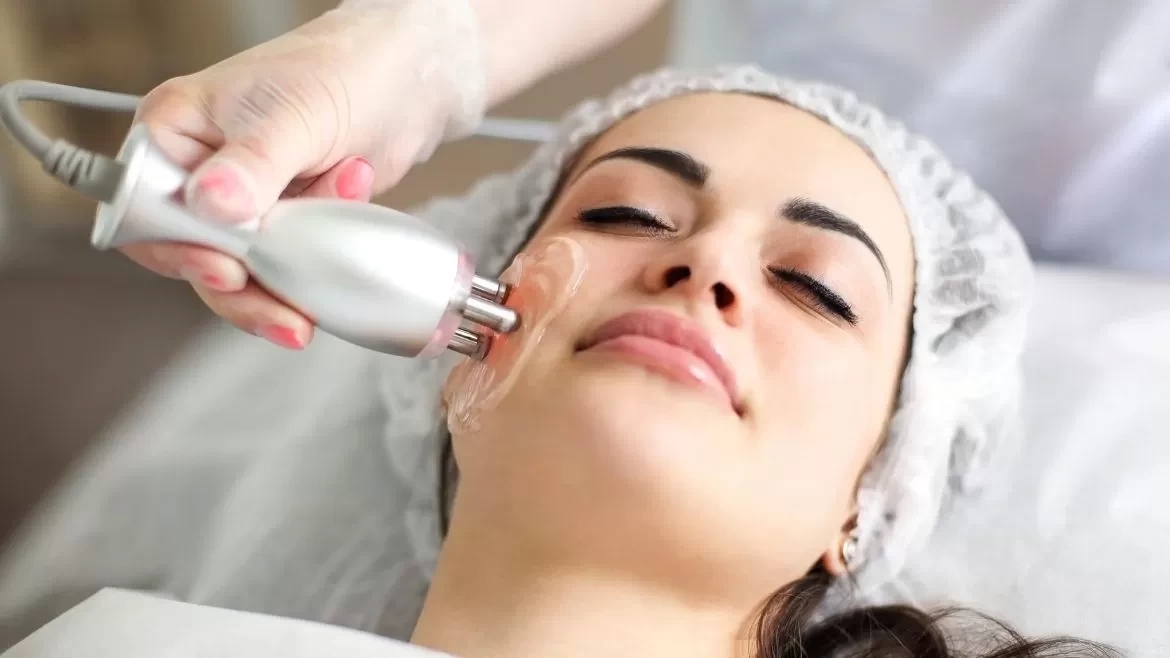
Radiofrequency skin tightening is a non-surgical medical aesthetic treatment that uses controlled heat generated by radio waves to warm the deep layers of the skin, aiming to reduce skin laxity and help the skin look firmer.
With age, collagen and elastin in the skin decrease and the skin loses its elasticity. Radiofrequency treatment is mainly considered for people with mild laxity. Results vary from person to person.
What Is Radiofrequency Treatment?
Radiofrequency energy is delivered in a controlled way to the skin and the tissue beneath it, creating heat in the tissue. This heat helps existing collagen fibres contract and tighten and, over time, helps the body produce new collagen. As a result, the skin may gradually look firmer and more toned.
On the face, the treatment can be used for mild laxity of the cheeks, jawline, the area under the chin, the forehead and around the eyes; on the body, for mild laxity in areas such as the abdomen and arms. Some radiofrequency devices may also be considered for improving fine lines and skin texture; the doctor decides which device is suitable for which concern.
Radiofrequency treatment does not replace surgical lifting procedures. In marked sagging or excess skin, its effect may be limited; surgical methods may then be considered. The doctor decides which method is suitable after the examination.
Who Is Radiofrequency Treatment For?
The treatment can be performed on women and men aged 18 and over who have mild to moderate skin laxity and who are found suitable at the doctor's examination.
The treatment is not performed, or is postponed, during pregnancy and breastfeeding, in people with a pacemaker or another electronic implant, in people with a metal implant in the treatment area, in the presence of active infection, an open wound or a skin condition in the treatment area, and in people with a history of cancer. Medicines and health problems should be reported to the doctor during the examination.
How Is Radiofrequency Treatment Performed?
Before the procedure, the doctor carries out an examination, asks about your medical history and determines the treatment areas. The treatment usually does not require anaesthesia; if needed, an anaesthetic cream can be used for comfort. A sensation of warmth is felt during the treatment.
The steps followed during the treatment are:
- The skin is cleaned and prepared for the treatment
- The device's applicator is placed on the skin
- The applicator is moved over the area to deliver radiofrequency energy while the skin temperature is monitored
A session usually takes 30–45 minutes, depending on the treatment area. In most cases a course of several sessions is planned; the doctor decides on the number of sessions and the interval between them.
What Should You Pay Attention to After Radiofrequency Treatment?
Most people can return to their daily routine after the treatment. Redness and a feeling of warmth in the skin for the first few hours are normal. In general, the following is recommended:
- Do not wear make-up on the day of the treatment and use the moisturiser recommended by the doctor
- Protect your skin from the sun and use sunscreen
- Stay away from hot environments such as solariums, Turkish baths and saunas for a few days
Risks and Side Effects of Radiofrequency Treatment
Although radiofrequency is a non-surgical treatment, like any medical procedure it carries some risks. The most common side effects are temporary redness, mild swelling and tenderness. These usually resolve quickly.
Less commonly, burns or blisters, changes in skin colour and temporary numbness may occur. Rarely, a scar or a depression due to thinning of the fat tissue may develop in the treated area. If you notice increasing pain, blisters or a wound after the treatment, you should contact your doctor.
To minimise these risks, the treatment must be performed by a competent doctor who knows the device, under appropriate conditions.
When Are the Effects Seen and How Long Do They Last?
A slight tightening may be seen straight after the treatment; however, because collagen production takes time, the main result appears gradually over the few months after the sessions are completed.
How long the result lasts depends on the person's age, skin type and lifestyle; the treatment does not stop ageing. If the doctor considers it necessary, maintenance sessions may be recommended at regular intervals.
Key Information
- A non-surgical treatment that uses controlled heat generated by radio waves; it does not replace surgical lifting procedures.
- It usually does not require anaesthesia; a session usually takes 30–45 minutes depending on the area, and in most cases several sessions are planned.
- Most people can return to daily life after the treatment.
- The main result appears gradually over the few months after the sessions are completed; the treatment does not stop ageing.
Who Is It Suitable For?
- People with mild or moderate skin laxity
- People with mild laxity of the face or of body areas such as the abdomen and arms
- Women and men aged 18 and over who are found suitable at the doctor's examination
Treatment Process
Consultation
The doctor takes a medical history and determines the treatment areas; the doctor decides which device is suitable.
Preparation
The skin is cleaned and prepared for the treatment; if considered necessary, an anaesthetic cream can be used for comfort.
Treatment
The applicator is moved over the area to deliver energy while the skin temperature is monitored; a session usually takes 30–45 minutes.
After the treatment
Redness and a feeling of warmth are normal for the first few hours; no make-up is worn on the day of the treatment, and solariums, Turkish baths and saunas are avoided for a few days.
Sessions and result
The doctor decides on the number of sessions and the interval between them; the main result appears over the few months after the sessions are completed.